Addiction often damages relationships, creating mistrust, secrecy, and emotional distance. Effective communication is the cornerstone of rebuilding trust and connection during recovery. Couples that prioritize open dialogue and mutual understanding are more likely to maintain sobriety and strengthen their bond. This guide offers actionable strategies for improving communication, such as active listening, expressing emotions constructively, and recognizing nonverbal cues. It also highlights proven methods like Behavioral Couples Therapy (BCT) and regular check-ins to support both recovery and relationship healing. While setbacks are common, addressing challenges together fosters progress and resilience. For couples in crisis, professional counseling programs like Growth and Change Counseling’s Marriage Rescue Institute provide structured support for long-term success.
Addiction Recovery | 6 Keys for Effective Communication
Communication Problems During Addiction Recovery
Addiction impacts more than just the individual struggling with substance use – it reshapes how couples interact and connect. Recovery, while a critical step forward, brings its own set of communication hurdles that can feel daunting. But identifying these challenges is the first move toward addressing them.
How Addiction Affects Relationships
Addiction erodes trust and creates emotional distance. Years of broken promises and secretive behaviors can leave partners feeling wary and disconnected. Even as recovery begins, the habits of secrecy and withdrawal often linger, making it hard to rebuild trust.
"Anxious, addicted, depressed people isolate because they are pulling away from relationships, it hurts too much, it’s easier in the moment. But they get more mentally unwell because the root issues are endured instead of resolved; marriages are isolated instead of repaired." – John Kane, LMFT, Founder of Growth and Change Counseling [6]
This isolation feeds a cycle that’s tough to break. As partners retreat from each other, it becomes harder to rebuild the closeness needed for healthy communication. During addiction, the relationship often takes a backseat to substance use, leaving behind emotional scars that linger even after sobriety begins.
These deeply ingrained patterns often lead to specific communication struggles in recovery.
Common Communication Problems
Recovery introduces its own set of challenges for couples. Mistrust can dominate conversations, turning ordinary discussions into tense interrogations. Meanwhile, guilt and shame – felt by both partners – make it difficult to have open, honest exchanges.
One frequent issue is emotional withdrawal. When conversations touch on painful or triggering topics, one or both partners may shut down, leaving key issues unresolved. Unspoken trauma from the addiction period can continue to influence everyday interactions. Topics like finances, parenting, or future plans may become too charged to discuss, reducing communication to surface-level exchanges.
Another common challenge is role confusion. During active addiction, couples often settle into unbalanced dynamics – such as one partner taking on a controlling role while the other becomes overly dependent. These roles don’t automatically shift once recovery begins, making it hard to establish a sense of equality and respect in their communication.
Acknowledging these challenges is an important step toward improving how couples communicate during recovery.
How Shame, Fear, and Defensiveness Block Communication
Three emotions – shame, fear, and defensiveness – can derail efforts to improve communication during recovery.
Shame keeps partners from addressing past mistakes, silencing conversations that could help rebuild trust. Fear of being judged, abandoned, or triggering a relapse can lead to avoidance, which only heightens anxiety. When one partner feels attacked, defensiveness often takes over, replacing vulnerability with blame or denial. On top of this, unresolved anger can lead to depression, further complicating meaningful dialogue.
Recognizing these emotional barriers is key. Breaking free from these patterns often requires deliberate effort and, in many cases, professional support to develop healthier communication habits that nurture both recovery and the relationship itself.
How to Improve Communication Skills
Now that we’ve covered the common obstacles to effective communication during recovery, let’s dive into practical ways to overcome them. Strengthening communication skills takes effort, but the rewards – like deeper connection and trust – are well worth it. These strategies can help couples move beyond surface-level chats to create meaningful conversations that support both recovery and relationship healing.
How to Listen Actively
Active listening is more than just hearing words; it’s about truly engaging with your partner’s thoughts, emotions, and needs. The goal is to understand them fully, not just wait for your turn to talk.
Start by giving your partner your undivided attention. Maintain eye contact, use open body language, and eliminate distractions like your phone or the TV. When your partner speaks, reflect on what they’re sharing with phrases like, “I hear that…” or “It sounds like you’re feeling…” This simple practice shows you’re tuned in and helps confirm that you’ve understood their message.
Ask clarifying questions instead of jumping to conclusions. For instance, if your partner says they’re frustrated, you might ask, “Can you explain what’s making you feel that way?” Validating their emotions with responses like, “I understand why you feel that way” or “That makes sense” reassures them that their feelings are respected.
Resist the urge to interrupt, even if you feel defensive or eager to respond. Let them finish their thoughts before you reply. With regular practice, active listening becomes second nature.
"I can say that he makes a difference in our life (me and my husband find the tools to communicate with each other productively; which hardly ever happened before.)" – Cindy Wang (Client Testimonial)
Once you’ve honed your listening skills, the next step is learning how to express your feelings in a way that fosters understanding rather than conflict.
How to Express Emotions Without Causing Conflict
Sharing difficult emotions can be tricky, but it’s possible to do so without creating tension. The key is to focus on your own feelings rather than pointing fingers at your partner’s behavior. Using “I” statements is a great place to start. For example, instead of saying, “You never listen to me,” try, “I feel unheard when I’m interrupted.”
Tone matters just as much as words. Even the most thoughtful statement can spark conflict if delivered with anger. Take a moment to breathe and collect your thoughts before speaking. If emotions are running high, it’s okay to pause the conversation and revisit it later.
Be specific about behaviors rather than making sweeping judgments. For instance, say, “I felt hurt when you came home late without letting me know,” rather than, “You’re always inconsiderate.” Setting aside time for important discussions and agreeing on ground rules – like no yelling or name-calling – creates a safe environment for both partners to share openly.
If things get heated, taking a short break can help both of you return to the conversation with a clearer mindset.
Reading Body Language and Nonverbal Cues
Nonverbal communication often speaks louder than words. Understanding your partner’s body language can provide valuable insights into their feelings and help you respond with greater empathy.
Positive signals, like an open posture, nodding, or a gentle touch, show engagement and support – even during tough conversations. On the flip side, crossed arms, eye-rolling, or tense expressions may indicate that your partner feels defensive or overwhelmed. Recognizing these cues gives you the chance to adjust your approach or suggest taking a break.
Pay attention to your tone of voice as well. It should match the supportive message you’re trying to convey. Mixed signals – like kind words paired with a sarcastic tone – can create confusion. Regularly checking in with your partner, such as saying, “You seem upset – can we talk about it?” opens the door to addressing issues before they escalate.
sbb-itb-596b85d
Proven Methods to Improve Communication
Clear strategies can provide couples with the tools they need to navigate addiction recovery together. These approaches are designed to rebuild trust and create healthier communication patterns. Here are three effective methods that can help couples strengthen their connection during this challenging time.
Behavioral Couples Therapy (BCT)
Behavioral Couples Therapy (BCT) is a structured method that actively involves both partners in the recovery journey. Its primary goals are to support abstinence, improve relationship dynamics, and teach effective communication techniques. Through BCT, couples learn how to engage in positive activities together, address conflicts constructively, and express their needs without blame or defensiveness.
The process begins with an assessment of substance use and the relationship’s current state. From there, structured sessions guide partners through exercises that promote open dialogue and reduce defensiveness. This creates a space where both individuals can share their perspectives and build mutual understanding.
Research shows that BCT often leads to better relationship outcomes compared to treatments that focus solely on individual recovery.
Regular Check-Ins and Planned Conversations
In addition to formal therapy, simple daily practices can make a big difference in how couples connect. Establishing a routine for regular check-ins helps partners stay in tune with each other’s emotions and progress. Setting aside time – whether daily or a few times a week – provides a quiet moment to share feelings, celebrate achievements, and address any concerns.
A helpful structure for these check-ins is for each partner to share one appreciation, one challenge, and one short-term goal. For deeper discussions, planning conversations in advance can ensure they remain productive. Setting an agenda and using a timer to balance speaking time can prevent misunderstandings. Choosing a comfortable, private setting – like a morning walk or a quiet dinner – fosters open and honest communication.
Professional Help Through Growth and Change Counseling
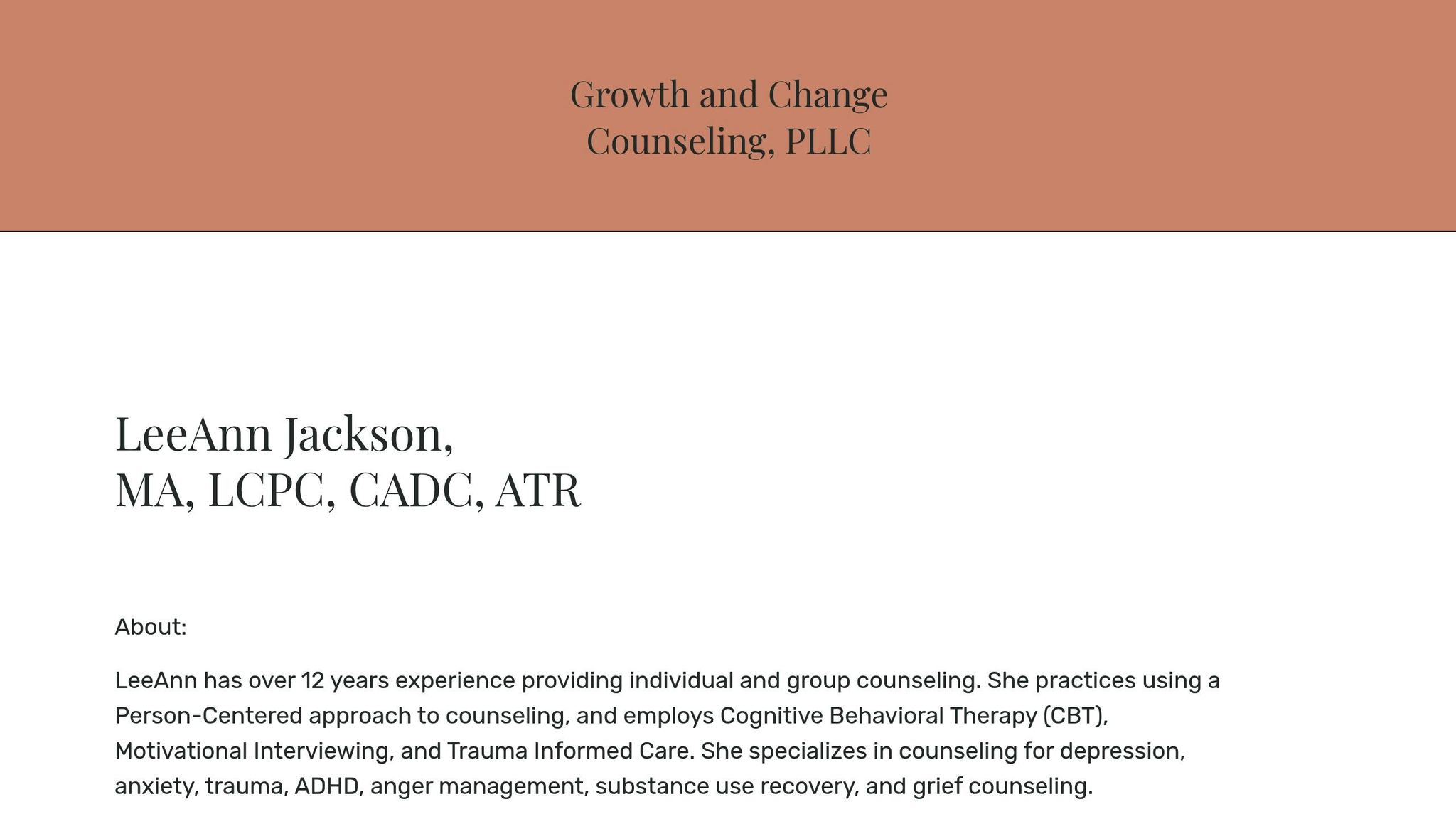
When self-help strategies aren’t enough, professional counseling can offer the guidance needed to bridge gaps in understanding. Professional support provides an objective perspective and tailored strategies to address specific challenges. One such option is The Marriage Rescue Institute, a 12-week intensive couples coaching program offered by Growth and Change Counseling. This program is designed for couples in crisis and focuses on improving communication, resolving conflicts, and strengthening emotional connections.
The program incorporates evidence-based techniques, including active listening exercises, conflict resolution strategies, and personalized sobriety plans. A distinctive feature of this approach is the emphasis on "relational homework", which allows couples to practice and apply what they’ve learned in their daily lives. According to Growth and Change Counseling, this process leads to "personal transformation through the development of new personal, interpersonal, and relational skills" [6].
The Marriage Rescue Institute operates in several California locations, including Campbell, San Jose, Los Angeles, and Roseville, and also offers telehealth services across the state. Beyond couples counseling, Growth and Change Counseling provides individual therapy, family therapy, and treatments for addiction, trauma, and other related issues.
Handling Setbacks and Maintaining Progress
Recovery is rarely a straight path, and the same goes for improving communication in a relationship. Setbacks are part of the process, but they don’t have to throw you off track. What matters most is how you face these challenges together and keep moving forward, even when things feel difficult.
Dealing with Relapse and Emotional Triggers
Relapse is common, affecting 40–60% of individuals in recovery, which is comparable to other chronic conditions like hypertension or asthma [2]. When a relapse happens, it’s natural to feel upset or frustrated. You might want to blame, argue, or shut down entirely, but these reactions can make it harder to rebuild trust. Instead, try expressing your feelings with "I" statements, such as, "I feel scared when this happens." This keeps the focus on your emotions without assigning blame.
Emotional triggers – like stress, conflicts, or specific environments – can often lead to behaviors like secrecy, withdrawal, irritability, or avoiding certain topics. Spotting these early warning signs can help you address issues before they escalate [1][4].
Work together to create a plan for managing triggers. This could include using agreed-upon signals to pause conversations when emotions run high, practicing deep breathing, or taking a moment to calm down before continuing. Incorporating mindfulness techniques and reflecting on difficult moments afterward can help prevent harmful patterns and keep you connected [4][7].
A 2022 study in the Journal of Substance Abuse Treatment found that couples participating in Behavioral Couples Therapy experienced a 50% reduction in relapse rates over 12 months compared to those in individual therapy [2]. This approach provides structured tools and support, making it easier to navigate setbacks as a team.
By addressing triggers effectively, you can create a foundation for open, honest communication in a safe and supportive environment.
Building a Safe Space for Communication
A safe and respectful space for communication is essential for staying on track. Setting clear ground rules can make difficult conversations more productive and less stressful.
Choose a private, quiet place where you can talk without interruptions – whether it’s a peaceful room at home or during a walk. Both partners should agree to maintain confidentiality, avoid interrupting, and use positive nonverbal cues like eye contact or leaning in to show attentiveness. If emotions start to run too high, take a break and return to the discussion once both of you feel calmer.
Rebuilding trust takes time, and professional counseling can provide a neutral setting to work through sensitive topics. A counselor can help you develop healthier communication habits and guide you through challenging conversations [1][4][7].
One helpful tool is a shared communication journal. Writing down your thoughts, feelings, and observations gives both partners time to process emotions before discussing them. Plus, it creates a record of your progress, making it easier to see how far you’ve come.
Once you’ve built a safe space for communication, it’s equally important to take note of and celebrate the progress you’re making.
Recognizing and Celebrating Progress
Acknowledging even the smallest victories can help reinforce positive habits and keep the focus on growth instead of setbacks [4][9].
Progress might look like having your first honest conversation about a tough topic, going a week without a major argument, or successfully using new communication strategies during a stressful moment. These milestones, no matter how small they seem, are worth celebrating.
Celebrations don’t have to be elaborate. A simple gesture, like expressing gratitude for each other’s effort, planning a special dinner, or marking a month of consistent check-ins, can go a long way in reinforcing the positive changes you’re making as a couple.
Couples who engage in regular check-ins and planned conversations report higher satisfaction in their relationships and lower relapse rates during recovery [3]. Using tools like checklists or periodic reviews can help you track improvements in areas like communication, conflict resolution, and emotional closeness.
Research shows that individuals who include family or couples therapy in their recovery process are 60% more likely to achieve abstinence than those who don’t [2]. Combining professional guidance with consistent effort at home creates a strong foundation for long-term success.
If you find yourselves stuck or unable to move past a setback, seeking additional professional support can provide the clarity and tools needed to rebuild communication and strengthen your relationship [7].
Conclusion: Building Stronger Relationships Through Better Communication
Rebuilding relationships during recovery can be tough, but strong communication lays the groundwork for both healing and long-term success. Studies reveal that individuals who participate in family or couples therapy are 60% more likely to maintain abstinence compared to those who don’t [2]. This isn’t just about staying sober – it’s about fostering a partnership that nurtures both recovery and relationship well-being.
By focusing on skills like active listening, expressing yourself constructively, and paying attention to nonverbal cues, you can tackle tough conversations and work through setbacks together [4][8]. The secret lies in consistency – making communication a regular habit instead of something reserved for moments of crisis.
Behavioral Couples Therapy (BCT) has shown positive results in boosting relationship satisfaction while supporting recovery [3][5]. For couples in California looking for specialized help, Growth and Change Counseling offers The Marriage Rescue Institute’s intensive 12-week coaching program designed to rebuild and strengthen marriages. These services are available in Campbell, San Jose, Los Angeles, and Roseville, as well as statewide through telehealth.
Setbacks don’t define the future. What truly matters is how you face challenges together, celebrate milestones, and stay committed to honest, open communication. Each heartfelt conversation, moment of empathy, and shared victory over triggers strengthens your connection and supports lasting recovery.
Moving forward takes patience, effort, and sometimes professional guidance, but the rewards – a healthier relationship, sustained sobriety, and a deeper emotional bond – are worth it. Recovery isn’t just about healing yourself; it’s also a chance to create a stronger, more resilient partnership.
Strengthening Your Bond with Growth and Change Counseling
How can couples address feelings of shame, fear, and defensiveness to improve communication during addiction recovery?
Overcoming emotions like shame, fear, and defensiveness takes time, understanding, and a willingness to communicate openly. Begin by creating a space where both partners feel safe to share – free from judgment or criticism. It’s important to acknowledge these feelings without assigning blame and focus on genuinely understanding each other’s point of view.
Techniques like active listening, speaking from your own experience using "I" statements rather than "you" statements, and seeking professional help can be incredibly helpful. Couples counseling, such as the services provided by Growth and Change Counseling, can offer practical tools to rebuild trust, improve communication, and promote emotional healing. Progress doesn’t happen overnight, but consistent, small steps can lead to meaningful improvements over time.
What are some effective ways couples can strengthen communication during addiction recovery?
Improving communication during addiction recovery takes time, empathy, and consistent effort. One of the most effective ways couples can strengthen their connection is by practicing active listening. This means giving full attention to what the other person is saying, without interrupting or mentally preparing a response. It’s a simple but powerful way to build trust and ensure both partners feel genuinely heard.
Setting aside regular check-in times is another useful strategy. These moments can be dedicated to sharing feelings, discussing progress, and addressing any challenges in a supportive and nonjudgmental space. Using "I" statements – like "I feel…" instead of "You make me feel…" – can also make a big difference. This approach helps reduce defensiveness and encourages more open, constructive conversations.
For those seeking extra support, professional counseling can be a game-changer. Growth and Change Counseling, through The Marriage Rescue Institute, offers tailored couples coaching to help rebuild relationships while navigating the complexities of recovery. Open, honest communication is essential for couples to move forward and grow stronger together.
What makes Behavioral Couples Therapy (BCT) different from individual therapy in supporting addiction recovery and relationship healing?
Behavioral Couples Therapy (BCT) is designed to help partners work together to support addiction recovery while rebuilding trust and strengthening their relationship. Unlike individual therapy, which focuses on personal struggles, BCT prioritizes improving communication, reducing conflict, and fostering a supportive environment for both recovery and the partnership.
Through BCT, couples learn to recognize harmful patterns in their relationship, set mutual goals, and develop practical strategies to tackle challenges as a team. This shared effort not only improves their bond but also increases the chances of achieving lasting recovery.
Related Blog Posts
- Addiction Recovery and Marriage Communication
- How Addiction Impacts Marital Stability
- Behavioral Therapy for Couples in Addiction Recovery
- Addiction Recovery and Emotional Connection in Marriage
