Addiction can deeply damage emotional intimacy in relationships, but recovery offers a chance to rebuild trust and connection. Here’s how couples can navigate this process:
- Understand the Impact: Addiction often erodes trust, communication, and emotional closeness, leaving both partners feeling isolated.
- Why It Matters: Restoring intimacy strengthens relationships and supports long-term sobriety. Couples who rebuild their bond often experience deeper connection and satisfaction.
- Common Challenges: Broken trust, fear of vulnerability, shame, guilt, and poor communication are typical hurdles during recovery.
- Practical Steps: Therapy (individual and couples), active listening, empathy-building, and creating shared routines can help restore emotional safety and connection.
- Professional Help: When efforts stall, counseling programs like Growth and Change Counseling’s 12-week Marriage Rescue Institute can provide structured support to heal relationships.
Rebuilding intimacy takes time, patience, and consistent effort, but with the right tools and strategies, couples can recover and grow stronger together.
The Surprising KEY to Restoring INTIMACY After Addiction
Common Problems When Rebuilding Emotional Intimacy
After recognizing how addiction disrupts intimacy, it’s important to understand that recurring challenges are a natural part of the healing journey. Even the most devoted couples can encounter deeply rooted obstacles while working to rebuild their connection. Identifying these issues is a critical first step before applying strategies to restore emotional closeness.
Broken Trust and Fear of Vulnerability
Recovery often involves repairing trust that has been damaged by past deceit. In many cases, one partner may feel compelled to monitor the other excessively, which can heighten suspicion and anxiety. This constant scrutiny can lead to a cycle where even innocent actions are met with doubt, creating a tense and fragile dynamic. Adding to this, both partners may struggle with the fear of being vulnerable – hesitant to share their innermost thoughts and feelings out of concern that doing so could lead to further pain.
This lack of openness often traps couples in a frustrating cycle. Without honest communication, misunderstandings grow, and small disagreements can snowball into major conflicts. Statistics show that 40–60% of individuals relapse during recovery[5], and each relapse can further erode trust and emotional intimacy.
Wrestling with Shame and Guilt
Rebuilding emotional bonds also means confronting internal struggles like shame and guilt. The individual in recovery may carry a heavy burden of shame for their past actions, while their partner might grapple with guilt – whether for not recognizing the addiction sooner or for their own reactions during difficult times.
"What you believe about yourself defines and shapes all of your relationships!" – John Kane, LMFT, Growth and Change Counseling
When someone feels inherently unworthy of love or connection, they might withdraw from the very relationships that could provide healing. Similarly, a partner consumed by guilt may replay past events, obsessing over what they could have done differently. These emotions create invisible barriers, keeping couples emotionally distant even when they are physically present.
Struggles with Communication
Open and meaningful communication is essential to mending the disconnect caused by addiction. However, addiction often leaves behind harmful communication patterns that can persist long after recovery begins. Many couples avoid addressing deeper emotional issues, instead focusing on surface-level topics like daily tasks. This avoidance leaves unresolved feelings to fester beneath the surface. When sensitive topics do arise, one or both partners may shut down entirely, leaving conflicts unresolved and allowing resentment to grow.
Defensiveness often replaces genuine dialogue, further widening the gap between partners. In heated moments, it’s not uncommon for one person to withdraw completely, reinforcing feelings of isolation and disconnection.
Acknowledging these patterns is the first step toward building a stronger connection. While broken trust, shame, guilt, and poor communication are challenging hurdles, they are not impossible to overcome. With patience, dedication, and professional support, couples can develop new ways to connect and create an emotional bond that is even stronger than before addiction entered their lives.
Practical Steps to Rebuild Emotional Intimacy
Rebuilding emotional intimacy takes intentional effort, combining professional guidance and daily practices to restore connection in relationships.
How Individual and Couples Therapy Help
Therapy provides a structured path for rebuilding intimacy. Individual therapy allows each partner to address personal struggles, develop emotional regulation, and work through trauma. This personal growth lays the groundwork for healthier interactions within the relationship.
On the other hand, couples therapy zeroes in on the dynamics between partners. Therapists guide couples through exercises that improve communication, rebuild trust, and create new, healthier patterns of interaction. Partners learn to set boundaries and support one another’s recovery journey.
For couples facing severe challenges, Growth and Change Counseling’s Marriage Rescue Institute offers a 12-week intensive coaching program. This program uses evidence-based techniques and personalized exercises to help couples restore their relationships through accountability and healing.
"I provide you with relational homework and skills to integrate into your life between sessions; this is where you will take what is learned in session and flesh it out in daily life." – Arione Capolupo, LMFT, Growth and Change Counseling
By combining individual and joint sessions, couples can simultaneously work on personal growth and relationship challenges. Therapists guide partners in understanding and meeting each other’s emotional needs.
Once therapy lays the groundwork, couples can focus on rebuilding trust and connection.
Methods to Rebuild Trust and Connection
Rebuilding trust requires daily transparency and consistent effort. Couples can create accountability plans by setting shared recovery goals and regularly discussing progress. For example, weekly "marriage check-ins" provide a safe space to talk about emotional highs and lows, practical needs, and relationship concerns.
Active listening is a key element of connection. This means fully hearing your partner without planning a response or becoming defensive. Using "I" statements to express feelings can help avoid blame and reduce conflict.
Empathy-building exercises encourage partners to understand each other’s perspectives. Simple activities, like sharing daily experiences and reflecting back what was heard, can gradually rebuild emotional safety. These practices promote curiosity and a solution-focused approach to conflicts.
Small gestures of affection – like holding hands, giving compliments, or sitting together without distractions – can reignite emotional and physical connection. These acts help rebuild the care and attention that addiction often disrupts.
Mind-body practices, such as yoga or meditation, can also strengthen connection. Practicing mindfulness together helps partners stay present, recognize their emotions, and respond thoughtfully during challenging moments.
These steps set the stage for deeper healing through forgiveness and shared goals.
Learning to Forgive and Move Forward
After trust has been rebuilt, forgiveness becomes essential for moving forward. Forgiveness is often misunderstood – it doesn’t mean excusing harmful behavior or forgetting the past. Instead, it involves acknowledging the pain caused by addiction, expressing remorse, and committing to healthier behaviors.
The forgiveness process begins with acknowledging harm. Both partners must share their feelings openly, with the recovering partner validating the other’s pain and both recognizing their emotional responses.
Making amends goes beyond apologies. It involves consistent actions that demonstrate change, like following through on commitments, being transparent, or actively participating in recovery programs. Actions speak louder than words when it comes to rebuilding trust.
Setting shared goals helps couples focus on the future rather than staying stuck in past pain. Goals might include maintaining sobriety, improving communication, or spending more quality time together. Breaking these goals into smaller, actionable steps ensures they remain achievable and motivating.
Creating new rituals together can also reinforce a commitment to moving forward. Whether it’s a weekly date night, evening walks, or distraction-free meals, these shared activities help build positive associations and a sense of partnership.
"We encourage practical homework that fosters new attitudes and habits." – Growth and Change Counseling
Rebuilding emotional intimacy after addiction requires patience, effort, and often professional support. Couples who commit to these steps often find their relationship stronger and more resilient than before. The key lies in consistent practice and staying open and vulnerable with each other throughout the healing journey. These efforts create the foundation for a renewed and intimate partnership.
sbb-itb-596b85d
Daily Habits to Maintain Emotional Connection
Rebuilding trust and working through forgiveness are significant milestones for couples, but maintaining emotional intimacy requires consistent effort. By establishing daily habits, couples can create stability and ensure their connection remains strong over time.
Daily and Weekly Connection Activities
One of the simplest yet most impactful practices is sharing daily gratitude. Taking just 10 minutes to express something specific you appreciate about your partner can shift the focus from challenges to positive qualities, fostering emotional safety and appreciation.
Regular check-ins are another essential habit. Setting aside time each evening to discuss the day’s highs and lows – without distractions – helps couples stay emotionally in tune. These moments allow for open communication and understanding.
For a deeper connection, weekly marriage check-ins can be transformative. Dedicating 90 minutes to discuss emotions, fears, dreams, and practical needs creates a space for honest dialogue. Some couples enhance these sessions by lighting a candle, maintaining eye contact, or choosing a distraction-free setting to make the experience feel intentional and meaningful.
Simple physical activities, like taking walks together or sharing meals without distractions, can also strengthen the bond. These moments encourage natural conversation and reinforce the sense of partnership. The key is to eliminate interruptions – put away phones and focus entirely on each other.
Couples can also deepen their emotional and spiritual connection through shared reflective activities. Whether it’s reading devotionals, practicing mindfulness, or engaging in meaningful discussions about values and personal growth, these experiences provide opportunities to connect on a deeper level.
How to Handle Conflicts and Stress Together
Managing conflict effectively is vital for preserving emotional intimacy. One powerful tool is active listening – truly hearing your partner’s perspective without planning your response or becoming defensive. This requires patience and genuine curiosity about their feelings.
Using "I" statements during disagreements can also reduce tension. For example, instead of saying, "You never listen to me", try, "I feel unheard when I’m interrupted." This approach communicates feelings without assigning blame or attacking your partner’s behavior.
Stress check-ins are another valuable habit. By scheduling time to discuss individual stressors, couples can work together to find solutions and offer support. This prevents stress from building up and creating distance within the relationship.
When arguments become heated, conflict de-escalation techniques can help. Agreeing to pause and revisit the conversation later – when both partners feel calmer – can prevent hurtful words spoken in frustration. This approach protects the relationship and allows for more constructive discussions.
Shared relaxation activities, like meditation, gentle yoga, or giving each other massages, can also help couples manage stress together. These moments not only promote emotional regulation but also create positive shared experiences that counterbalance life’s challenges.
"Conflict is a pathway to intimacy. If there’s no conflict in a relationship, at least one person isn’t being genuine." – Growth and Change Counseling
Understanding that disagreements, when handled well, can actually strengthen intimacy helps couples approach conflicts with curiosity instead of fear. The goal isn’t to avoid conflict altogether but to navigate it in ways that build trust and understanding.
Creating Shared Goals for Your Future
Setting shared goals gives couples a sense of purpose and direction. Recovery-focused goals – like maintaining sobriety milestones, attending therapy together, or creating a relapse prevention plan – can help couples stay on track and support each other through challenges.
Relationship goals are equally important for nurturing the bond. These might include committing to weekly date nights, learning new communication techniques, or attending a couples retreat. The key is to choose goals that are specific, achievable, and meaningful to both partners.
Engaging in life planning activities, such as creating vision boards, discussing future dreams, or planning vacations, can inspire excitement about the future. These conversations help align individual aspirations with shared goals for the relationship and family.
Financial goals offer a practical way to build teamwork. Whether it’s saving for a big purchase, budgeting together, or planning home improvements, working toward financial milestones strengthens accountability and collaboration.
Couples can also find purpose beyond their relationship by setting service goals. Volunteering together or supporting community causes not only provides perspective on personal challenges but also creates meaningful shared experiences.
Finally, personal growth goals allow partners to support each other’s individual development. Whether it’s reading self-improvement books, attending workshops, or pursuing hobbies, encouraging personal growth helps strengthen the relationship as a whole.
The secret to successful goal-setting is breaking larger objectives into smaller, manageable steps. Celebrating milestones together reinforces the sense of teamwork and commitment to moving forward as a couple.
Consistent effort in these daily and weekly habits can have a profound impact on emotional intimacy. Even small, intentional actions can make a big difference in maintaining connection and stability. These practices lay the groundwork for recognizing when professional guidance may be needed to navigate challenges.
When You Need Professional Help
Daily habits can certainly make a difference, but sometimes, deeper issues require more than just personal effort. This section highlights the signs that suggest it’s time to seek professional help and how expert intervention can pave the way for healing.
Signs You Need Expert Help
If emotional distance persists despite your best efforts, it may be time to consult a professional. Feeling disconnected from your partner, having surface-level conversations, or noticing one partner consistently withdrawing emotionally are all signs that therapy could be beneficial.
Unresolved conflicts that keep resurfacing are another red flag. If you find yourselves stuck in the same arguments or if discussions frequently spiral into hurtful exchanges, this could indicate destructive patterns that need professional intervention to resolve.
Rebuilding trust after a breach can be incredibly challenging. If the betrayed partner continues to feel unsafe or suspicious months into the recovery process, or if the partner working to regain trust feels constantly judged, a neutral third party can help navigate these sensitive emotions.
Persistent communication breakdowns are also a key indicator. When attempts to express feelings regularly lead to defensiveness or unresolved tension, professional guidance can help create a healthier dynamic.
Ongoing resentment or blame often points to deeper emotional wounds. If either partner feels stuck in anger, bitterness, or shame, combining individual therapy with couples counseling can address these underlying issues.
If safety concerns are present in the relationship, seeking help immediately is critical.
Finally, feeling stuck or hopeless about the future of your relationship is a strong signal that professional support is needed. When you’ve tried everything you can think of and still feel like giving up, therapy can provide fresh perspectives and actionable strategies.
Research shows that couples who pursue professional counseling often experience notable improvements in communication, trust, and overall relationship satisfaction. Recognizing these warning signs early can prevent deeper disconnection and potential setbacks in recovery[2][3].
When these challenges persist, specialized programs can offer the structured support necessary for meaningful and lasting change.
Growth and Change Counseling‘s Services
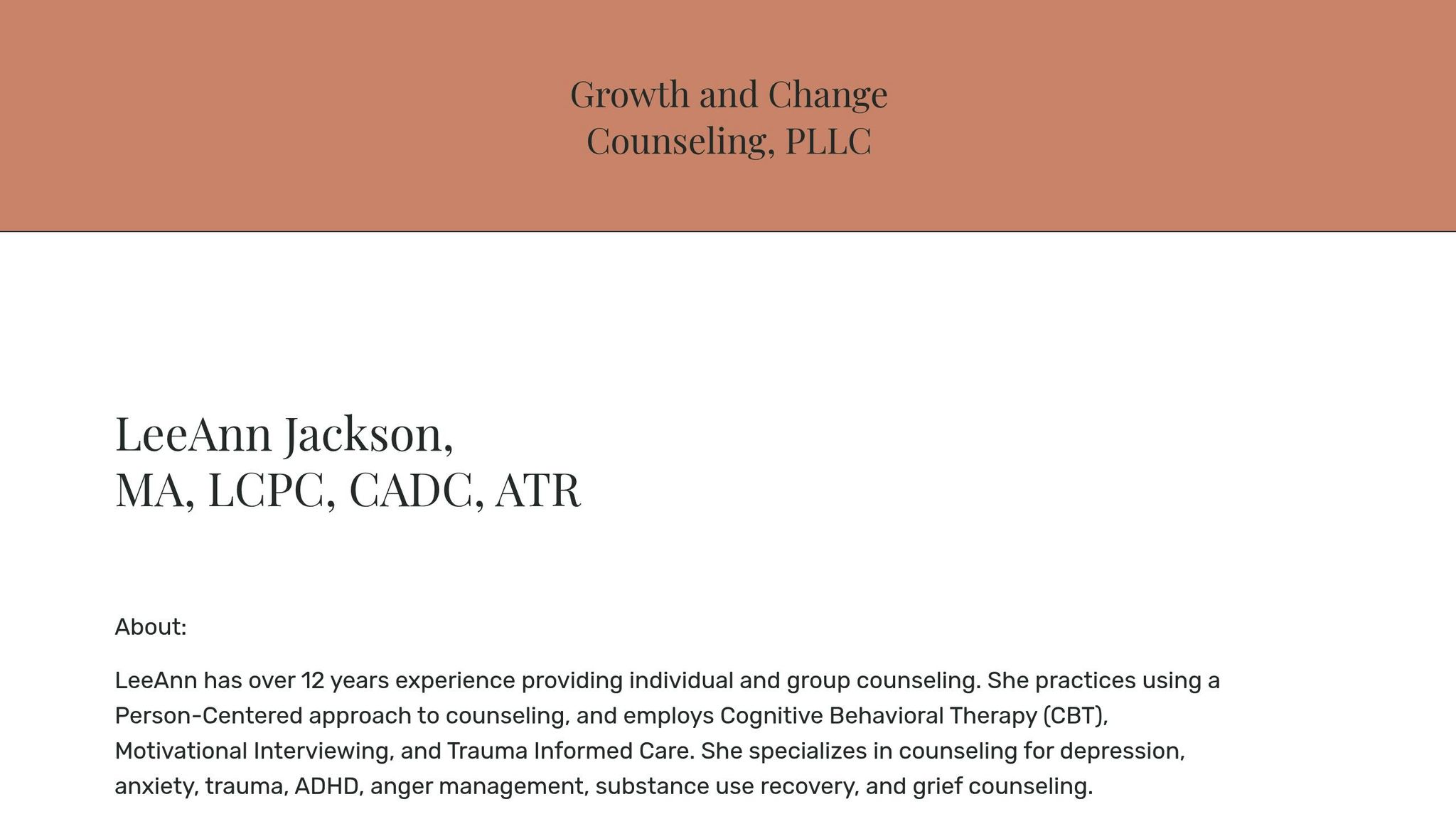
Growth and Change Counseling provides focused programs designed to help couples rebuild emotional intimacy, particularly in the aftermath of addiction. Their services emphasize relational and emotional well-being through targeted approaches.
The Marriage Rescue Institute offers a 12-week program tailored for couples seeking intensive support to heal their marriage. This program takes a directive approach, combining structured guidance with practical exercises to address relationship issues stemming from addiction and other challenges. It focuses on rebuilding trust, improving communication, and restoring intimacy – key areas that often require extra attention during recovery.
For individuals, therapy sessions address personal challenges such as anxiety, depression, addiction, and trauma, which frequently accompany relationship struggles. By tackling these issues alongside couples counseling, Growth and Change Counseling helps clients achieve a deeper, more sustainable recovery.
The practice employs a proven therapeutic approach aimed at fostering "relational intelligence", helping couples reconnect and strengthen their bond. This method acknowledges the link between mental health conditions and relationship breakdowns, emphasizing the importance of restoring healthy connections for overall well-being[1].
Accessibility is a priority, with services offered in Campbell, San Jose, Los Angeles, and Roseville, California, as well as through telehealth sessions statewide. This flexibility ensures that couples can access care regardless of their location or scheduling needs.
Additionally, the practice provides family therapy and parent coaching, recognizing that addiction and relationship challenges often affect the entire family system. Addressing these broader dynamics helps create a more supportive environment for recovery and reconnection.
Pricing options include Licensed Marriage and Family Therapists at $200 per 45-minute session and Associate Marriage and Family Therapists at $150 per session. Sliding scale options start at $100+ for those with financial needs.
During initial sessions, couples undergo a thorough assessment of their relationship history, current challenges, and individual needs. The counselor works with them to establish clear goals, build safety and trust, and introduce foundational skills for better communication and emotional regulation. This process identifies the patterns contributing to disconnection and develops targeted strategies for rebuilding intimacy[2][3][6].
Conclusion: Moving Forward Together
Key Takeaways
Rebuilding emotional intimacy is no small feat – it requires consistent effort and rests on three fundamental elements: transparent actions to rebuild trust, active listening for clear communication, and vulnerable sharing of emotions[2][3].
Trust grows through steady, dependable actions. This means keeping promises, being open about your daily life, and offering emotional support to your partner. It’s important to remember that healing takes time. Emotional wounds and broken trust don’t mend overnight. Progress will come with patience, and it’s normal to experience ups and downs along the way. Small victories should be celebrated, as they mark steps forward. Research highlights that emotional intimacy is often the first aspect to recover, with physical intimacy gradually following as trust and a sense of safety are restored[2].
Building shared rituals and goals can also strengthen your bond during the healing process. Simple practices like daily check-ins, planning weekly activities that encourage connection, or setting recovery milestones together can reinforce your partnership[3][4]. In fact, recovery has the potential to bring couples closer – if both partners are committed to open communication and the hard work of healing. Challenges should be approached with compassion and understanding, recognizing them as part of the process rather than setbacks or failures[2][3].
When personal efforts don’t seem to be enough, professional guidance can be a game-changer.
Seeking Professional Support
Sometimes, outside help is essential to move forward. Studies show that couples therapy can significantly improve relationship satisfaction and rebuild trust. Integrated behavioral health services have also been linked to better long-term outcomes for recovery[3][4][7].
For couples in crisis, Growth and Change Counseling offers targeted support. Their Marriage Rescue Institute provides a 12-week intensive program designed to help couples rebuild trust, enhance communication, and restore intimacy. This structured approach combines practical exercises with expert guidance to address both personal healing and relationship repair.
Telehealth services throughout California make professional help more accessible than ever. Whether you’re dealing with ongoing communication struggles, lingering mistrust, or feeling stuck despite your best efforts, professional counseling can offer new perspectives and actionable strategies to help you move forward together.
Common Questions About Healing with Growth and Change Counseling
What are some practical ways couples can rebuild trust and improve communication during addiction recovery?
Rebuilding trust and strengthening communication after addiction takes time, effort, and a shared commitment from both partners. Here are some practical ways couples can work together to reconnect:
- Active Listening: Make an effort to truly hear what your partner is saying without interrupting or jumping to conclusions. Reflecting back what you’ve heard can show understanding and validate their emotions.
- Daily Check-Ins: Dedicate a few minutes each day to openly share thoughts, feelings, and progress. This simple routine can build a habit of honest communication.
- Express Gratitude: Take time to acknowledge and appreciate each other’s efforts, no matter how small. Regular gratitude can create a positive atmosphere and deepen emotional bonds.
Couples counseling can also play a key role in rebuilding intimacy and addressing deeper challenges. Growth and Change Counseling offers a specialized program through The Marriage Rescue Institute – a 12-week coaching course designed to help couples reconnect and restore their relationship. If you’re navigating recovery together, seeking professional guidance can provide the support you need to move forward as a team.
How can couples navigate feelings of shame and guilt while rebuilding emotional intimacy after addiction?
Rebuilding emotional closeness after addiction can be tough, especially when feelings of shame and guilt come into play. These emotions can weigh heavily on both partners, but working through them together is possible with open communication and a shared commitment to understanding each other. Creating a safe, judgment-free space where both partners feel comfortable expressing their emotions and experiences is a good starting point.
Professional guidance can also play a crucial role in this journey. Growth and Change Counseling provides couples therapy specifically designed to help partners reconnect and heal. With personalized approaches, therapy sessions focus on rebuilding trust, strengthening emotional bonds, and addressing the challenges that guilt and shame often bring to relationships.
When is the right time for couples to seek professional support to rebuild emotional intimacy after addiction, and how can counseling help?
Couples may want to explore professional support when emotional reconnection or effective communication feels out of reach after addiction recovery. Persistent feelings of distance, frustration, or unresolved pain can be tough to navigate alone, and professional guidance can provide the structure and tools necessary to rebuild trust and heal.
Counseling programs like those at Growth and Change Counseling offer a safe, supportive environment where couples can address challenges and work on strengthening their relationship. These programs use targeted techniques and skill-building exercises to help couples restore emotional closeness and create healthier, more rewarding connections. Among their specialized services, The Marriage Rescue Institute stands out, offering focused support to help couples achieve meaningful reconnection and build lasting change.
Related Blog Posts
- Root Causes of Shame in Sexual Addiction
- Addiction Recovery and Marriage Communication
- Top Strategies for Relational Intelligence in Addiction Recovery
- How Addiction Impacts Marital Stability
